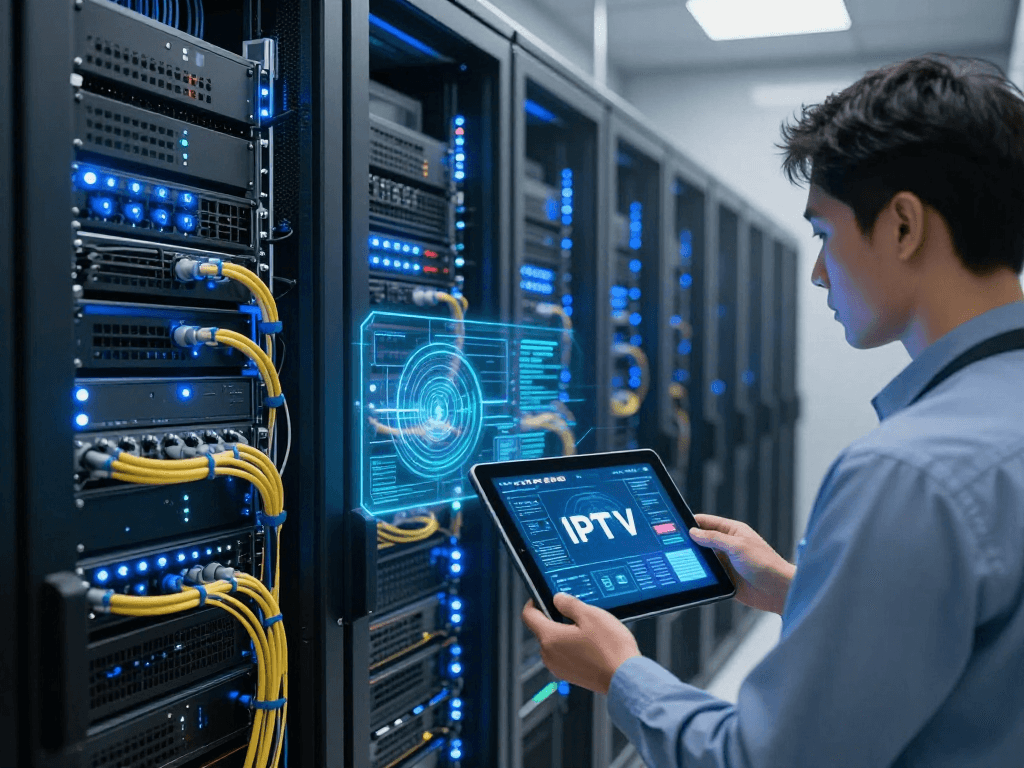
Understanding IPTV UK: A Comprehensive Overview
In a rapidly evolving digital landscape, Internet Protocol Television (IPTV) is gaining significant traction, particularly in the UK. IPTV combines the efficiency of internet technology with the entertainment capabilities of traditional television, providing users with seamless access to a vast array of content over broadband connections. This revolutionary approach allows viewers to watch their favourite shows and channels on a multitude of devices, ranging from smart TVs to mobile phones. As IPTV continues to reshape consumer behaviour and content delivery, understanding its implications has become crucial for both service providers and viewers alike. When exploring options, Iptv UK provides comprehensive insights into the rich offerings and functionalities of this technology.
What is IPTV and its Importance in Today’s Digital Landscape?
IPTV is a method of delivering television content over the internet instead of traditional satellite or cable formats. It uses IP networks to provide live and on-demand video services, thereby offering a more flexible viewing experience. The growing demand for tailored entertainment solutions makes IPTV a vital player in today’s media consumption habits. As viewers increasingly seek out customised experiences, IPTV not only meets these needs but also unlocks interactive features such as catch-up TV, video on demand (VOD), and integration with various streaming services.
Key Technologies Behind IPTV Services
Several key technologies underpin the functionality of IPTV services. These include:
- Content Delivery Networks (CDNs): CDNs distribute video content efficiently across global servers, reducing latency and ensuring that users receive high-quality streams with minimal buffering.
- Video Compression Standards: Technologies such as H.264 and H.265 allow for the effective compression of video files, making it feasible to transmit high resolutions over limited bandwidth.
- Adaptive Bitrate Streaming: This technology optimises the quality of the stream based on the viewer’s bandwidth, ensuring that users have the best possible experience regardless of their internet speed.
The Growth of IPTV in the UK Market
The UK has seen explosive growth in the adoption of IPTV, driven by the increasing demand for on-demand content and the proliferation of high-speed internet. Reports indicate that a significant portion of UK households now subscribe to IPTV services, and this trend is expected to rise. Streaming platforms are expanding their offerings to cater to diverse consumer preferences, thus contributing to the overall growth of this market. Moreover, partnerships with telecommunications companies are paving the way for bundled services, enhancing the value proposition for consumers.
Technical Architecture of IPTV UK Systems
Fundamentals of Streaming Protocols for IPTV
At the core of IPTV systems are various streaming protocols that facilitate the delivery of content. The most common protocols include:
- Real-Time Streaming Protocol (RTSP): This protocol controls the streaming of media by establishing sessions with clients, allowing for live broadcasts.
- Real-time Transport Protocol (RTP): RTP is often used in conjunction with RTSP, managing the delivery of video/audio data streams.
- Hypertext Transfer Protocol (HTTP): Many IPTV services leverage HTTP for delivering video content, particularly with adaptive bitrate streaming.
Cloud Infrastructure: AWS vs Azure for IPTV
In the context of cloud infrastructure for IPTV services, both Amazon Web Services (AWS) and Microsoft Azure offer robust platforms suitable for meeting various requirements. AWS excels in scalability and a broad array of services, enabling IPTV providers to manage high traffic loads during peak usage. On the other hand, Azure’s integration with Microsoft’s tools and services provides unique advantages, particularly for enterprises already entrenched in the Microsoft ecosystem. Considerations for choosing between these platforms often include cost-effectiveness, ease of use, and specific services tailored to video streaming.
Effective API Design for IPTV Services
APIs (Application Programming Interfaces) are vital for facilitating communication between different components of an IPTV system. Well-designed APIs enable the integration of third-party services, which enhances functionality. When developing APIs for IPTV:
- Utilise RESTful principles for simplicity and scalability.
- Ensure security by implementing OAuth for authentication.
- Design APIs for flexibility, supporting multiple data formats, including JSON and XML.
Cybersecurity in IPTV UK: Mitigating Risks
Threat Landscapes Facing IPTV Providers
The increasing adoption of IPTV services also brings several cybersecurity challenges. IPTV providers face threats such as content piracy, Denial of Service (DoS) attacks, and data breaches. Cybercriminals may attempt to exploit vulnerabilities in IPTV systems to gain unauthorized access to sensitive data or disrupt service delivery. As the technology landscape evolves, so too do the tactics employed by cyber adversaries, necessitating a proactive approach to security.
Best Practices for Data Security in IPTV
Implementing robust data security measures is paramount for IPTV providers. Best practices include:
- Encryption: Use encryption protocols such as HTTPS and Secure Socket Layer (SSL) for all data transmissions to safeguard user information.
- Regular Security Audits: Conducting frequent security assessments can help identify and mitigate vulnerabilities before they can be exploited.
- User Authentication: Implement multi-factor authentication (MFA) to ensure that only legitimate users can access the IPTV service.
Implementing Robust Cybersecurity Protocols
To establish a secure IPTV environment, providers should develop a comprehensive security strategy that includes both proactive and reactive measures. A layered security approach, encompassing firewalls, intrusion detection systems (IDS), and network segmentation, can significantly enhance the resilience of IPTV systems against cyber threats. Additionally, ongoing training and awareness programs for employees will help create a culture of security within the organisation.
Emerging Technologies Impacting IPTV UK Development
AI/ML Applications to Enhance IPTV User Experience
Artificial Intelligence (AI) and Machine Learning (ML) are transforming the IPO service landscape by providing personalised user experiences. By analysing viewing habits and preferences, IPTV services can tailor content recommendations to individual users, thereby increasing engagement. Techniques such as Natural Language Processing (NLP) can also improve user interfaces, enabling voice commands for easier content navigation.
The Role of Edge Computing in IPTV Delivery
Edge computing is becoming increasingly relevant in IPTV as it addresses latency issues by processing data closer to the user. This technology enables faster content delivery and improves user experiences by reducing buffering times. The adoption of edge computing solutions means that IPTV providers can decentralise their architectures, leading to improved scalability and resilience when faced with increased demand.
Next-Gen Technologies Shaping the Future of IPTV Services
Future advancements in IPTV will be influenced by innovations such as 5G technology and augmented reality (AR). The rollout of 5G networks will enable higher bandwidth, low latency, and enhanced reliability, making it feasible to stream high-definition (HD) and even 4K content seamlessly. Simultaneously, AR can offer immersive experiences, allowing viewers to interact with content in new and innovative ways.
Performance and Scalability in IPTV UK Solutions
Optimising Bandwidth Use for High-Quality Streaming
In order to provide a high-quality streaming experience, it is crucial to optimise bandwidth usage. Techniques such as video compression, buffering strategies, and content delivery networks (CDNs) are foundational for managing bandwidth effectively. By adapting these techniques, IPTV providers can not only enhance the quality of service but also reduce operational costs associated with bandwidth consumption.
Scalable Architecture: Planning for Growth
As the demand for IPTV services increases, scalability becomes a critical consideration for service architecture. Providers must design systems that can accommodate fluctuations in user traffic without compromising performance. Microservices architecture, containerisation, and serverless computing are some of the strategies that can be employed to enable flexible scaling while ensuring high availability and fault tolerance.
Monitoring and Performance Tuning Strategies
Continuous monitoring of IPTV systems is essential for maintaining optimal performance. Utilising tools and techniques for performance monitoring allows providers to identify bottlenecks and implement necessary adjustments. Key performance indicators (KPIs) for IPTV services might include stream uptime, user engagement rates, and bandwidth consumption. Regular analysis of these metrics enables proactive performance tuning and helps in delivering a seamless user experience.
FAQs About IPTV UK Services
What are the key benefits of using IPTV in businesses?
IPTV offers numerous benefits to businesses, including enhanced flexibility in content delivery, potential cost savings compared to traditional television services, and the ability to integrate with existing digital communication tools. Additionally, businesses can leverage IPTV for training, marketing, and internal communications, making it a versatile solution.
How does IPTV UK differ from traditional cable services?
Unlike traditional cable services, which rely on a fixed circuit transmission model, IPTV utilises internet protocols for delivering content. This fundamental difference allows IPTV to offer greater flexibility, on-demand content, and interactive capabilities. Moreover, IPTV services typically provide a more extensive range of content and advanced functionalities such as catch-up TV and personalised recommendations.
What are the essential compliance regulations for IPTV providers?
IPTV providers in the UK must comply with several regulations, including the General Data Protection Regulation (GDPR), which governs the handling of personal data, and Ofcom regulations that oversee broadcasting standards and consumer protection. Ensuring compliance with these regulations is essential for maintaining trust and legality in service delivery.